
Base64 XOR refers to a two-step data transformation that combines the XOR bitwise operation with Base64 encoding. The term describes a process, not a single algorithm: raw binary data is first XORed against a key, then the result is run through Base64 encoding so it can be stored or transmitted as plain text. Understanding base64 xor means understanding these two operations separately and then seeing how they fit together in one pipeline.
Base64 XOR is a two-stage data transformation where binary data is first XORed with a key to scramble its bytes, then the scrambled result is Base64-encoded into a text-safe string. It's a simple, reversible obfuscation technique, not a form of real encryption.
When people talk about base64 xor, they usually mean applying XOR to a block of data and then encoding the output with Base64 so it can travel through systems that expect text rather than raw bytes. The two operations serve very different purposes. XOR changes the actual bit values of the data, scrambling them against a key. Base64 doesn't change the underlying bits at all; it just repackages bytes into a restricted set of printable characters. Put together, you get data that's both altered and text-safe.
This combination shows up often in malware analysis, CTF challenges, configuration file obfuscation, and lightweight data-hiding schemes. It's popular precisely because both operations are cheap to implement and easy to reverse if you know the key, which makes it convenient for developers but also fairly easy to defeat for anyone analyzing the output.
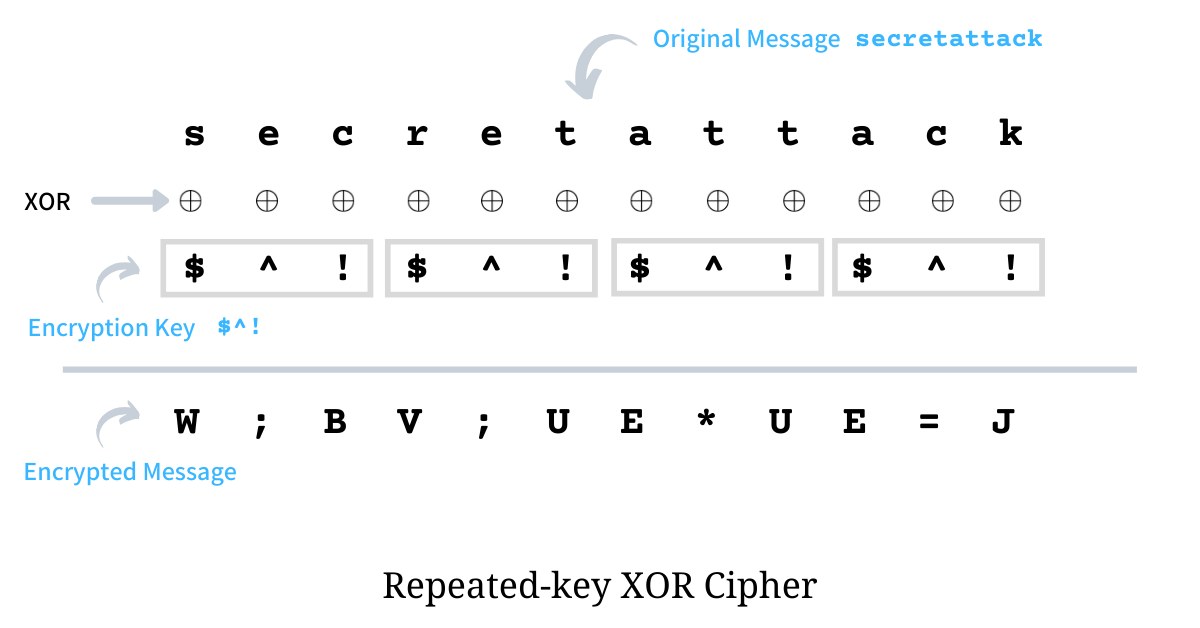
XOR, short for "exclusive or," is a bitwise operation that compares two bits and returns 1 if exactly one of them is 1, and 0 otherwise. Its truth table is short:
What makes XOR useful for reversible data transformation is a specific set of mathematical properties. It's commutative (A XOR B equals B XOR A), associative (grouping doesn't matter), and most importantly, self-inverse: if you XOR a value with a key twice, you get the original value back. That last property is the entire reason XOR shows up in so many obfuscation and simple encryption schemes , applying the same key a second time undoes the first application, with no separate "decrypt" algorithm required.
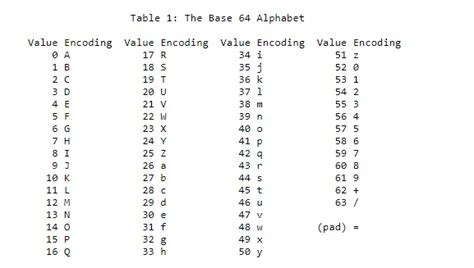
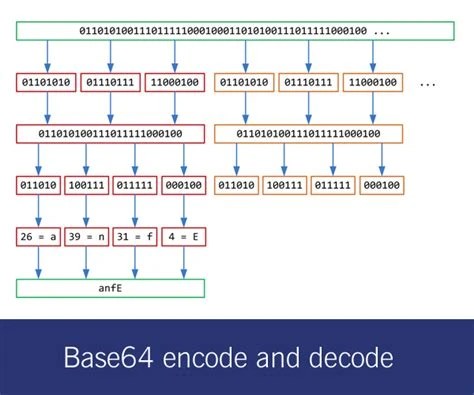
Base64 encoding takes arbitrary binary data and represents it using a 64-character alphabet made up of uppercase and lowercase letters, digits, and two symbols (typically + and /). It works by grouping input bytes into chunks of three (24 bits), then splitting those 24 bits into four 6-bit groups, each mapped to one of the 64 output characters. When the input length isn't a multiple of three, padding characters (usually =) fill out the last group.
The reason Base64 pairs so naturally with XOR is that XOR output is just another block of binary bytes, often containing unprintable or control characters that would break text-based protocols, JSON fields, or log files. Base64 wraps that binary mess into something safe to paste, transmit, or store as a string. For a deeper look at how the encoding itself works, see this technical reference on Base64 decoding.
The motivations for combining base64 and xor generally fall into a few categories. The most common is simple obfuscation: a developer wants to keep a string, such as an API key or a piece of configuration data, from being trivially readable if someone opens the file in a text editor. XORing it first and then Base64-encoding the result means a casual viewer sees only a jumble of Base64 characters instead of a recognizable string.
Another motivation is building a data transformation pipeline where XOR is one processing step among several (compression, checksums, encryption layers) and Base64 is added at the end purely to make the final output transportable over text-based channels like HTTP headers, URLs, or JSON payloads. In these cases, XOR isn't necessarily meant as security at all , it might be a checksum-like transformation or part of a custom protocol, with Base64 solving the practical problem of moving binary data through systems that only understand text.
The encoding side of base64 xor follows a fixed order of operations:
The order matters: XOR happens on the raw bytes first, and Base64 encoding is applied last. Doing it the other way around, Base64-encoding first and then XORing the resulting text characters, produces a different and often less useful result, since it treats printable ASCII characters as the XOR input rather than the original binary data.
Decoding reverses the exact sequence of steps used during encoding:
The key point is that the key and the cycling pattern must match exactly. If the key is off by even one byte in offset or length, the XOR step will produce garbage instead of the original plaintext, even though the Base64 decoding step itself will still succeed and produce valid binary data. If your work involves decoding Base64 payloads more generally, including binary formats like ZIP archives or PDFs, related processes are covered in the guides on decoding Base64-encoded ZIP files and Base64 PDF encoding and decoding.
It's worth being direct about what base64 xor actually provides: obfuscation, not encryption. Base64 provides no confidentiality at all , it's trivially reversible by anyone, with no key required, since it's a public, well-known encoding scheme. XOR with a short or repeating key provides only weak confidentiality, and it has well-known weaknesses.
The biggest weakness is vulnerability to known-plaintext attacks. If an attacker knows or guesses even a small piece of the original plaintext, XORing that known plaintext against the corresponding ciphertext bytes reveals the key directly. Key reuse compounds this problem: if the same short key is reused across multiple messages, an attacker can XOR two ciphertexts together to cancel out the key entirely and reveal patterns in the plaintexts. This is the same weakness that undermines simple stream ciphers when a key is reused, and it's why base64 xor should never be treated as a substitute for real cryptographic algorithms like AES.
Security researchers frequently encounter base64 xor as a lightweight obfuscation layer in malicious scripts and payloads, and recognizing the pattern is a routine part of reverse engineering.
Capture-the-flag challenges commonly use base64 and xor together as an introductory obfuscation puzzle, since it requires recognizing both layers before recovering the flag.
Engineers working with constrained devices use XOR for its low computational cost and Base64 to move the resulting bytes through text-only communication channels or logs.
Developers sometimes XOR sensitive strings before storing them in config files or environment variables, then Base64-encode the result so it doesn't contain unprintable characters.
Anyone building a custom text-based protocol on top of binary data may use XOR as a transformation step and Base64 purely to make the payload transportable.
Beyond obfuscation, base64 and xor show up together in a range of practical, everyday technical contexts. Lightweight data masking is one of the most common: hiding strings from casual inspection without the overhead of setting up real encryption infrastructure. This is common in scripts, configuration files, and small applications where full cryptographic key management would be excessive for the actual risk being addressed.
Embedded system payloads are another frequent use, since XOR requires almost no processing power and Base64 lets the transformed data pass through serial connections, text-based command interfaces, or logging systems that only accept printable characters. Interoperability between binary and text formats is the broader theme tying these applications together: whenever binary data needs to travel through a text-only channel, and some minimal scrambling is also desired, base64 xor becomes a natural, if security-limited, choice.
A few practical details determine whether a base64 xor implementation works correctly. Key length matters directly: a single-byte key is the weakest option and the easiest to break through frequency analysis, while a longer key that matches or exceeds the length of the data being obfuscated is harder to attack, though never as strong as a proper cipher. When the key is shorter than the data, it must be cycled consistently, repeating from the start once it runs out, and both the encoding and decoding implementations need to agree on exactly how that cycling works.
Padding handling in Base64 is another common source of bugs. Base64's padding characters (=) exist to indicate how many bytes were in the final group before encoding, and stripping or mishandling padding , something that happens in URL-safe Base64 variants , can cause decoding to fail or produce the wrong byte count. Byte order also matters: the XOR operation needs to be applied to the data in the same byte sequence it was originally read in, before any Base64 transformation, since Base64 itself works on groups of three bytes and doesn't preserve any notion of "logical" byte boundaries once encoding begins. Getting these details wrong doesn't usually throw an error; it silently produces incorrect output, which makes careful testing important when building or debugging a base64 xor pipeline. For a broader comparison of Base64 against other binary-to-text schemes, see Base64 vs Hex encoding and Base64 vs Base62 encoding.
No. Base64 provides no confidentiality on its own, and XOR with a reused or short key is weak against known-plaintext and key-reuse attacks. Neither should be relied on for real security.
Yes. The standard approach is to XOR the raw binary data first, then Base64-encode the result. Reversing the order changes what's actually being transformed and produces different, generally less useful output.
The Base64 portion can always be reversed by anyone, since it requires no key. The XOR portion can only be reversed correctly with the original key, though weak or reused keys can often be recovered through cryptanalysis.
Raw XOR output is binary and often contains unprintable or control characters, which breaks text-based systems like JSON, URLs, or plain-text logs. Base64 solves that compatibility problem.
There's no length that makes XOR obfuscation cryptographically secure, but longer, non-repeating keys are harder to break through simple analysis than short, reused ones.
Base64 XOR is ultimately a combination of two unrelated tools solving two different problems: XOR scrambles bytes using a reversible key, and Base64 makes any binary result safe to handle as text. Understanding where each operation's job ends and the other's begins is what makes it possible to implement, decode, or analyze this pattern correctly, rather than treating it as a single mysterious transformation.
Stay up to date with new tools, blogs, and improvements.
We respect your privacy. No spam, unsubscribe anytime.